Lessons From Liberia: Five Tips for Fostering Interfaith Collaboration During Trainings and Gatherings
By Kellie McDaniel, Director of Instructional Design and Learning Experience at Episcopal Relief & Development
Collaborating with faith leaders has been central to Episcopal Relief & Development’s work for many years. Partnering with faith leaders is the best way to get information out to communities and promote the adoption of new ideas. People listen to faith leaders, and they trust them.
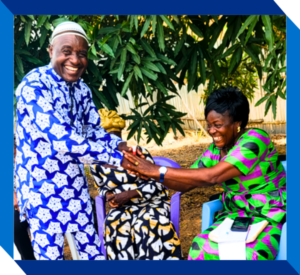
Every community we partner with is different. Some are Christian, some Muslim and others practice traditional religions. Despite different beliefs, when intentionally planned and guided, we have found our interfaith gatherings have been rewarding for all.
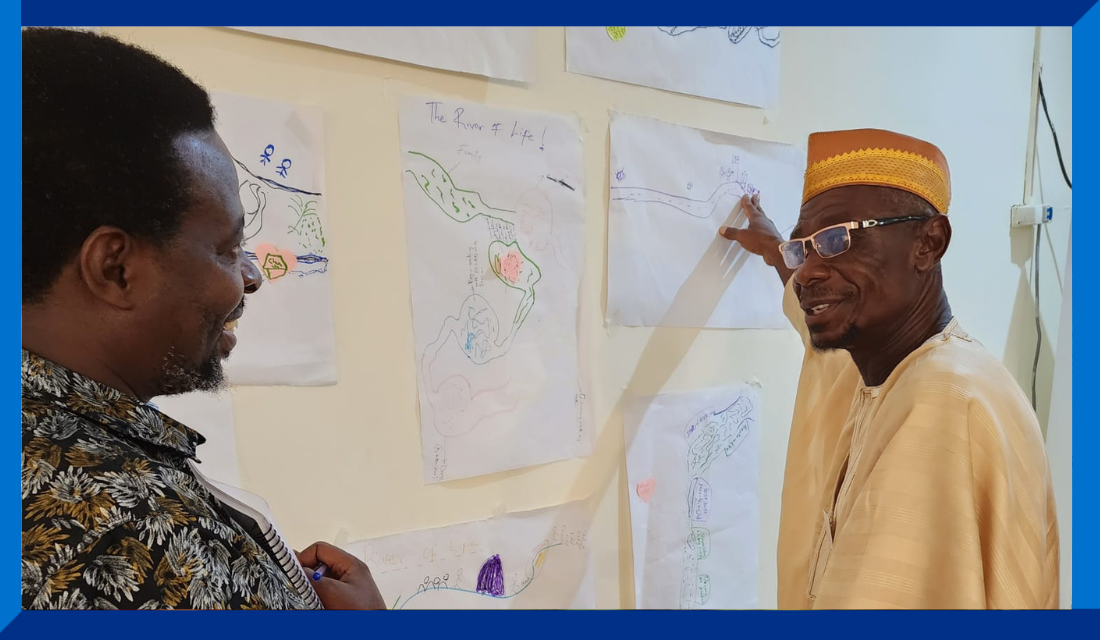
Recently, Episcopal Relief & Development piloted a training to end violence against women and girls in Liberia. The participants were Muslim and Christian leaders – representing the two predominant faith traditions in this West African country. We created an inclusive training for people of both faiths that centered a shared mission rather than the participants’ differences.
“We are here because of the women and girls, and debating our faith just doesn’t come up,” said an Imam.
During our training for faith leaders, participants had time for deep personal reflection, sharing and developing action plans to impact their communities. They discovered wisdom in each other’s sacred texts and traditions, and similarities in their local challenges.
“I learn from you and you learn from me,” shared a Christian pastor. “We care about our communities, and doing it together is what matters.”
Below are some tips that support meaningful collaboration when working around the world in interfaith contexts:
- Mix people of different faith groups often. The more we are in dialogue and walk alongside each other, the more we realize we are more the same than different. Each day, throughout the days of the training, invite and encourage people from different faith traditions to get to know the other participants by sitting and working together.
- Share examples from different holy texts. If you prioritize one, you are communicating that you feel it is more important than others. Include examples from a variety of holy texts – for example the Qur’an and the Bible – as part of the group curriculum.
- Offer choice. While they are working in small groups, invite each participant to self-select the holy text they prefer to discuss. This gives them a sense of autonomy, and as a facilitator, you are also communicating the value of interfaith mixing.
- Share gratitude. Respect can be shown for other faiths in small ways. Sharing “I appreciate the word _________ in this text” or “Notice how this text encourages ____________” can communicate your gratitude for what is written, and shows respect to each faith. This will be noticed and appreciated.
- Use positive language. The words we choose communicate how we feel about something. Ensure the way you talk about all holy texts is equally positive. Be mindful not to misinterpret or misrepresent a holy text to make it fit your values or goals for the training.
This blog was originally posted by Global Learning Partners. For more tips about training and facilitation, visit globallearningpartners.com.
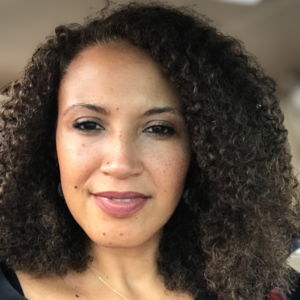 |
Kellie McDaniel is the Director of Instructional Design and Learning Experience at Episcopal Relief & Development. |